Event Venue Review Complete Guide

Choosing an venue event space is not always easy because there are various options, each offering its own benefits. You need to know what aspects of an event venue to review in order to choose the best one. This post will serve as a guide so you can review event spaces correctly.

About Event Venues

If you want to organize an event, you need to prepare a specific location or area, and that is an event venue. Venues can be used for any event, from formal corporate events to birthday parties. What are some places commonly used to organize events?

Event venues include multipurpose buildings, outdoor parks, hotels, resorts, and many more. Locations such as hills and beaches can also be venues if they are well managed. Each venue can support a specific concept, such as a multipurpose building for a modern and formal theme. Even though beaches and hills can be venues, they still need to provide event facilities.

The more complete the facilities provided at the event venue, the more functional it will be in supporting the success of the event. However, if more facilities are included, you will have to pay a higher rental fee. You don’t need to use facilities that are not really necessary for your event.

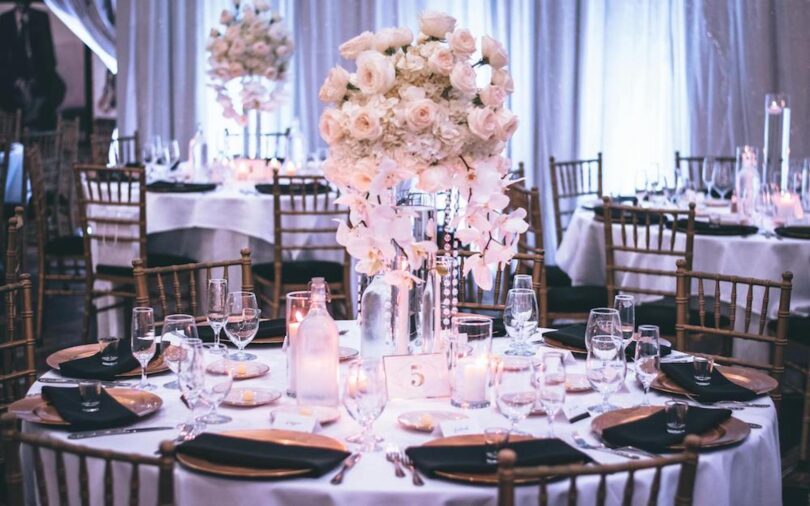
You should not only consider the rental price when choosing a venue. The role of the venue may be greater than you imagine. The venue you choose can create the atmosphere or mood.

If you are holding a formal event such as a product launch, it would be inappropriate to choose an open park as the venue. The event team must also choose a venue that is equipped with essential amenities such as clean toilets, parking areas, high-performance air conditioning, and so on.

A venue that is easily accessible can support logistics and make it easier for attendees to come to the location. More than that, the reputation of the brand or event will depend on the venue chosen. Therefore, it is important for you to be more careful in choosing an venue event space.

What Should You Review When Choosing an Event Venue?

Consider several crucial points when choosing a venue. If you choose the right venue, your brand can become well-known and gain credibility. Sponsors may also consider the venue chosen by the event team.

Here are some key points you should review when choosing an event space:

High-Speed & Stable WiFi

First, check the internet service available to guests at the venue. Is it stable or not? For a smooth event, internet access can play a crucial role. If the team is broadcasting the event via live streaming, they must rely on fast WiFi.

Almost all venues now have internet access. You can test the speed in Mbps using online tools to easily determine the WiFi performance. The exact location of the venue must also receive maximum signal from the router. If the area is blocked by too many walls, it will not be able to receive a full signal from the WiFi router.

Flexible Seating

Choose a venue that provides seating so you don’t have to prepare it yourself. Each event can be different, so the venue design must be flexible, including the seating design. If the venue has flexible seating, it will be easier to adjust to the event concept.

You must also ensure that the chairs are of good quality, as they can greatly affect the attendees’ experience.

Entertainment Facilities

There are various types of entertainment in an event, such as live bands, art performances, DJ shows, and many more. The venue must provide tools or gear that can support this entertainment. Check the quality of the sound system to see if it can be relied upon to provide the best audio performance.

You also need to adjust the lighting system because each venue event space may have a different system. The lighting system can add to the impression of the entertainment show. The same goes for visual technology such as monitors and projector screens.

Exclusive Area

If you are inviting VIP guests, you should choose a venue that has a private lounge. This area is usually designed to be more premium than standard rooms for extra comfort. Formal events usually require an exclusive area that provides luxurious facilities for VIP guests.

Unlike the main area, VIP rooms have better security, privacy, and amenities. VIP guests do not need to crowd with other guests while in this exclusive room.

High Performance AC

Even though air conditioning is available at the venue, it is not always reliable. The performance of air conditioning is sometimes insufficient when there are many people in one room. To keep the air cool and comfortable, the air conditioning must be powerful so that even with many people, the atmosphere remains comfortable.

You can first check how well the air conditioning is working or if there are any problems. If the venue provides a blower, you should also check how effective it is at cooling the space.

Spacious Parking Lot

Don’t forget to check whether the venue provides ample parking space. If the venue you choose is often chosen by many people, it can get very crowded on weekends or during peak season. The parking area can get so crowded that there is no space left to park.

If you don’t want that to happen, choose an event venue space that has a large capacity car park. Even if you invite many guests, it won’t be a problem for attendees to park their cars. You also need to provide valet service, especially if you invite distinguished guests to the venue.

Security Personnel

Professional events must comply with security standards. You can choose a venue that provides security guards to guide guests from the initial area and maintain security during the event. The venue must also have a disaster assembly point and emergency exits to anticipate certain incidents.

CCTV should also be installed in strategic spots to monitor event security and store important evidence.

Well-Maintained Restrooms

Attendees can form a bad impression if the event does not pay enough attention to hygiene. Avoid venues that have dirty or poorly maintained restrooms. Guests may hesitate or be reluctant to use the toilet if it is too dirty.

There are indeed many aspects to review when choosing a venue event space, but it will all be worth it. You can avoid venues with many flaws that could negatively impact the attendees’ experience.

Indonesian Furniture Suppliers in Global Decor Sources

Sourcing home decor from the international market is not simply about low prices or attractive designs. This process requires careful consideration of production costs, workmanship quality, material availability, and the desired aesthetic character.

In recent years, Southeast Asia has increasingly emerged as a leading region thanks to its wealth of natural materials and more sustainable production approaches. It’s no surprise that many global interior businesses are starting to look to this region, including collaborating with Indonesian furniture suppliers known for their strong craftsmanship and eco-friendly materials.

Regional Map of Global Decor Sources

To understand the differences between regions, it’s important to look at the key characteristics of each country that serves as a center for home decor and furniture production.

Southeast Asia as a Natural Materials Hub

This region stands out for its availability of fast-growing and relatively renewable raw materials. Many products are made using traditional approaches combined with modern techniques, resulting in unique and price-competitive decor.

Europe and East Asia

Europe, particularly Italy and the Scandinavian region, is synonymous with visually strong designs and a mature aesthetic philosophy. Meanwhile, China and India are widely known for their large production capacity and wide range of products, from traditional to contemporary.

The Influence of Local Culture on Design Character

Besides material and cost factors, the cultural background of the country of origin significantly influences the form, motifs, and function of home decor. Products from Southeast Asia generally feature organic patterns and natural textures inspired by nature and local traditions. Meanwhile, decor from Europe often emphasizes precise proportions and strong design philosophies, such as balance or functional simplicity.

Understanding this cultural context helps buyers select products that are not only visually appealing but also align with the brand identity and preferences of the target market. By considering cultural aspects from the outset, the procurement process results in a decor collection that feels more authentic and has long-term value.

Key Regional Comparisons

Here’s a brief overview of the strengths of each sourcing region:

Vietnam

Vietnam has long been a center for furniture manufacturing in Southeast Asia. The country excels in processing woods such as acacia, rubber wood, and eucalyptus, as well as other natural materials like rattan and bamboo. Supporting port infrastructure, relatively low labor costs, and international trade networks make Vietnam an attractive choice for buyers seeking cost efficiency.

Indonesia

Indonesia is widely known for its sustainable approach and rich handicrafts. Rattan, bamboo, and other natural fibers are processed into decorative pieces of high aesthetic value. Many buyers choose Indonesia furniture supplier for products with a cultural touch and a story behind their creation, not just for functionality.

China

With its large industrial scale, China is capable of producing high-volume home decor in a wide variety of designs. From classic to modern styles, this market is ideal for importers seeking consistent supply and competitive pricing.

India

India stands out for its detailed and colorful handmade products. Traditional motifs and handcrafted techniques give Indian decor a strong character, especially for markets that favor ethnic nuances.

Italy

Italy is synonymous with luxury and artistic design. Decor products from this country often target the premium segment, with an emphasis on detail, high-quality materials, and brand identity.

Scandinavia

Scandinavian countries are known for their minimalist and functional style. Clean lines, neutral colors, and the use of light woods are characteristics that are highly sought after by the modern market.

Important Factors in Choosing an Overseas Source

Before deciding to work with an international supplier, there are several crucial aspects to consider:

Sustainability and Materials

Many buyers now prioritize environmentally friendly materials. Southeast Asia excels in this regard due to the availability of bamboo, water hyacinth, and other fast-growing natural fibers. Certifications such as FSC are important indicators to ensure responsible forest management practices.

Quality Control

Differences in production standards between countries can impact the final quality. Requesting samples, conducting third-party inspections, or even visiting production facilities in person can minimize the risk of product nonconformities.

Logistics and Additional Costs

Product price isn’t the only cost component. Import taxes, duties, insurance, and shipping costs can increase the total cost. Furthermore, furniture production times typically range from one to two months, making inventory planning crucial.

Product Authenticity

For handmade decor, transparency in the production process is fundamental. Knowing the source of materials and craftsmanship helps ensure the product’s artistic value and authenticity are maintained.

Best Practices in International Procurement

To ensure an effective procurement process, the following approaches can be implemented:

Thorough Supplier Verification

International trading platforms can help find credible exporter data. However, background checks and direct communication are still necessary to ensure supplier reliability.

Following and Integrating Trends

Combining regionally distinctive products, such as Turkish carpets or Japanese panels, with modern interiors can create a balanced look without being overdone. Collaborating with Indonesian furniture suppliers is often chosen here to add a natural touch to contemporary designs.

Determining a Niche Focus

For unique products in limited quantities, a specialty craft marketplace can be an option. However, if large and consistent volumes are needed, long-term relationships with direct manufacturers, often found at international trade shows, are more beneficial.

Compare Sources from Different Countries

Comparing home decor sources from different countries opens up opportunities to find the best combination of design, quality, and cost-efficiency. Each region has unique strengths that can be tailored to market needs.

With careful planning and the right partner selection, collaboration with Indonesia furniture supplier and other global suppliers can be a strong foundation for delivering valuable and highly competitive home decor in the international market.